- April to December offers the best weather for excursions.
- January to March is the wet season, with heavy rainfall.
- May and September provide optimal conditions for snorkeling and diving.
As the sun rises over the rugged hills of Komodo Island, the air fills with anticipation. This is the beginning of an adventure where land and sea converge in a vibrant dance of nature and wildlife. Planning your trip to Komodo Island involves more than just choosing a date; it’s about understanding the seasons and what they bring to this unique destination.
The Seasons of Komodo Island
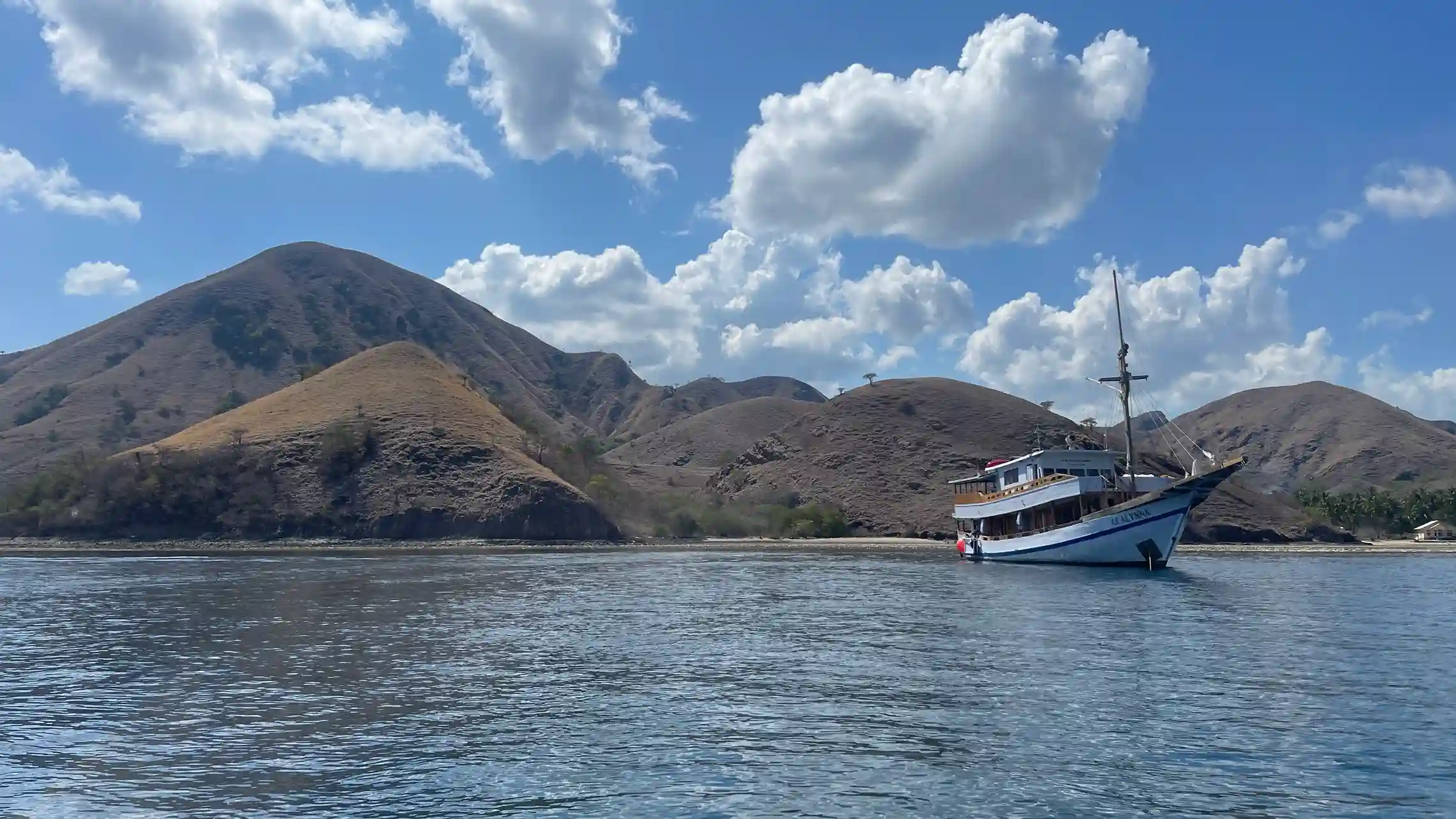
Komodo Island experiences a tropical climate, divided into wet and dry seasons. The dry season runs from April to December, characterized by lower humidity and minimal rainfall. This is when most travelers plan their excursions from Labuan Bajo, the main gateway to the islands. During these months, temperatures average between 25°C and 32°C (77°F – 90°F), making it perfect for outdoor activities like hiking and snorkeling.
Conversely, January to March marks the wet season, bringing heavier rainfall and rougher seas. Rainfall can exceed 300 mm (11.8 inches) per month during peak months like January. The lush landscape comes alive, but many tours are less frequent due to weather conditions. Expect more humidity and occasional storms, which can disrupt travel plans.
Ideal Months for Snorkeling and Diving
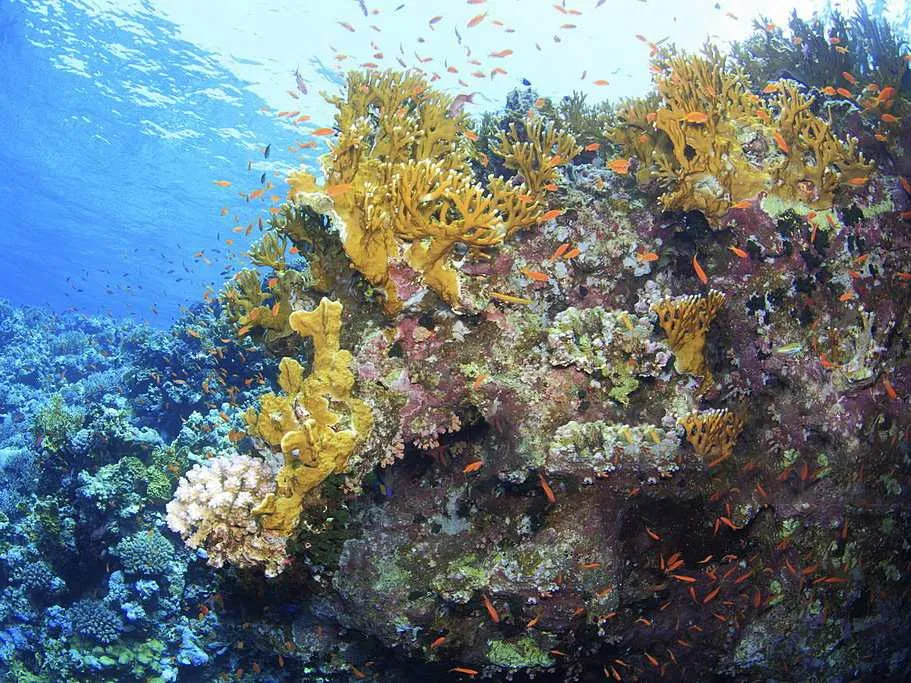
For those keen on diving and snorkeling, the months of May and September are prime. Visibility in the water reaches its peak, often exceeding 30 meters (98 feet), revealing the vibrant underwater ecosystems surrounding Komodo and Rinca. The warm waters, averaging 27°C to 29°C (81°F – 84°F), create ideal conditions for marine life interactions.
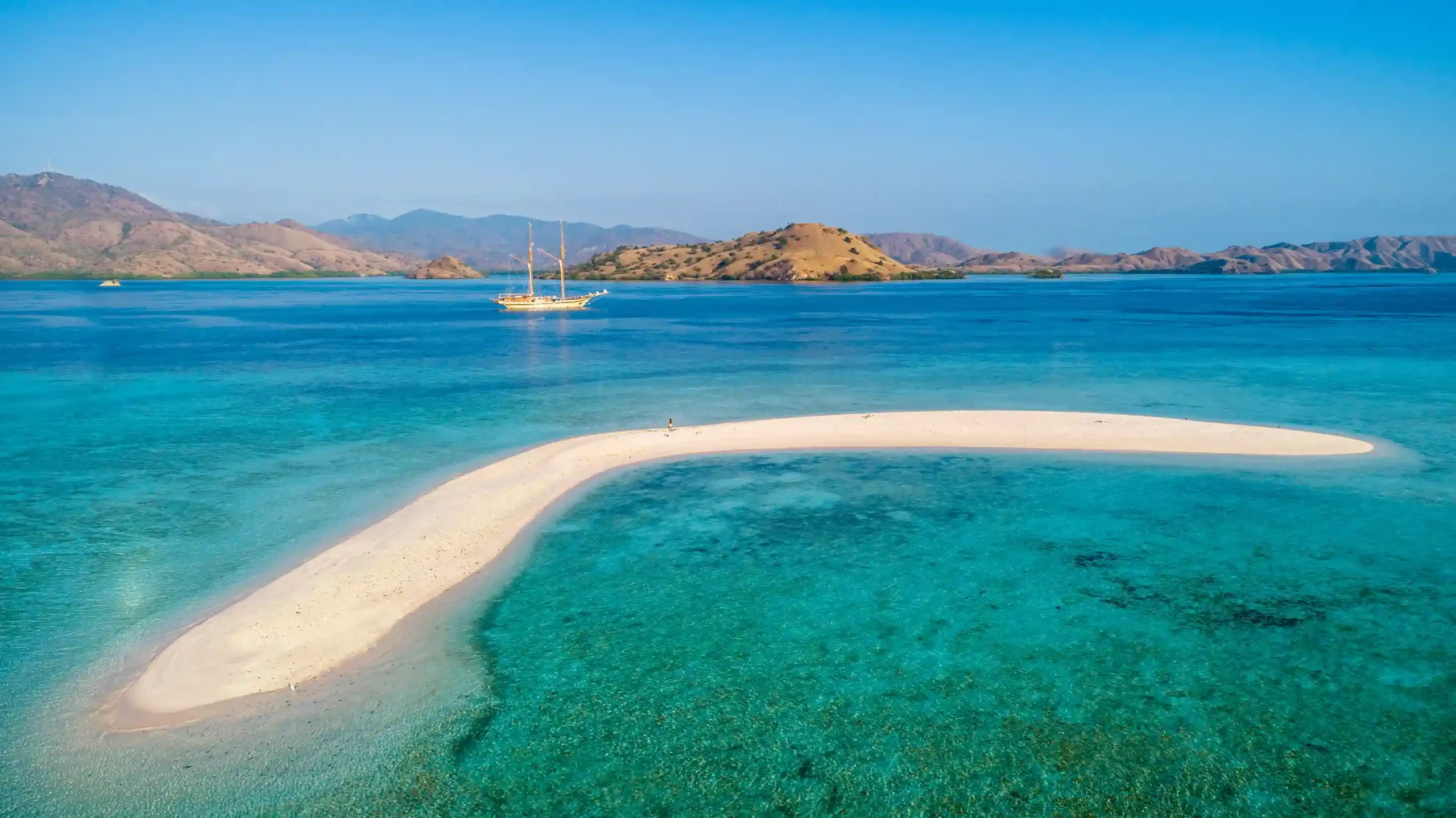
In particular, the sites around Padar Island and the waters near Pink Beach are renowned for their coral reefs and diverse marine species, including manta rays and turtles. The Komodo National Park, a UNESCO World Heritage site since 1991, is recognized for its biodiversity, making it a significant draw for underwater enthusiasts.
Hiking and Wildlife Spotting
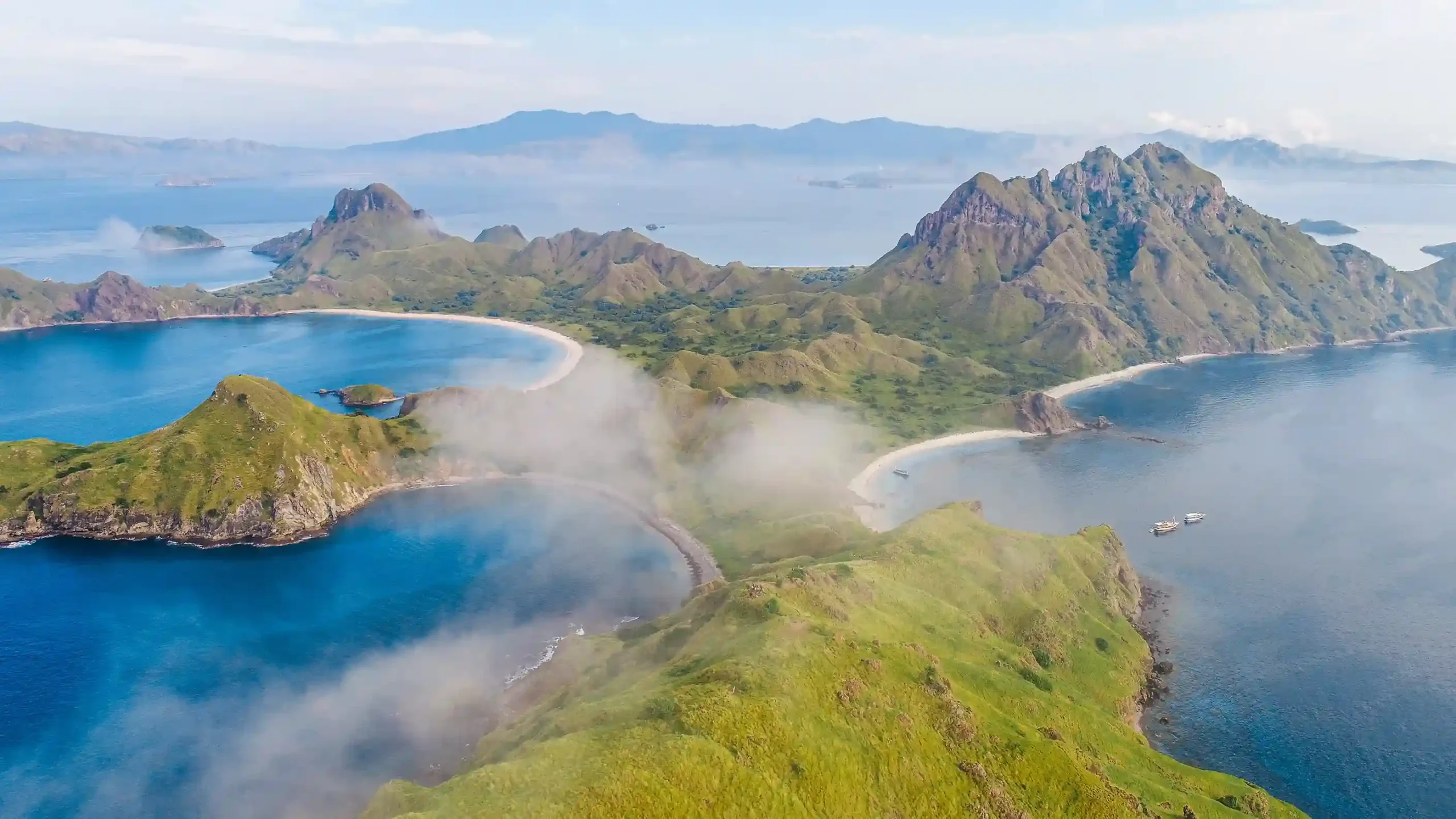
The dry months also provide the best conditions for hiking. The trails on Komodo and Rinca Islands are accessible, with temperatures more favorable for trekking. Early morning hikes to witness the sunrise from Padar Island are popular among visitors. The ascent takes about 30 minutes, offering panoramic views that are particularly rewarding in May and September.
Wildlife spotting, especially the iconic Komodo dragons, is best done during the dry season. These ancient reptiles are more active, and the chances of encountering them are higher. Guided tours through the national park are available, with park fees around IDR 150,000 (approximately USD 10) per person, which contributes to conservation efforts.
Monsoon Timing and Its Effects
Understanding the monsoon season is crucial for planning a trip. The wet season can start as early as December and last until March, with January often experiencing the highest rainfall. This period can lead to cancellations of boat trips due to rough seas, especially for those traveling from Bali.
Local guides advise travelers to keep an eye on weather forecasts and be flexible with plans. While some activities may be limited during the wet season, the lush environment offers a different perspective of the islands. The vibrant greenery and blooming flora create a stark contrast to the dry season’s landscape.
Local Festivals and Cultural Events
While considering the timing of your Komodo Island trip, factor in local festivals. The Komodo Festival, usually held in August, celebrates the culture and heritage of the region. It features traditional dances, culinary showcases, and local crafts. Attending this event can enrich your understanding of the local culture and provide a unique travel experience.
In addition, the Flores Festival, taking place in June, celebrates the rich cultural diversity of Flores Island. Travelers often combine these events with their visits to Komodo Island, creating a multifaceted travel itinerary.
Travel Tips for Komodo Island Trips
1. **Book in Advance**: The best tours and accommodations fill up quickly during peak season. Booking at least three months ahead is advisable, especially for multi-day trips that include liveaboard diving.
2. **Pack Accordingly**: Lightweight, breathable clothing is essential for the heat. Don’t forget sunscreen, a hat, and good hiking shoes for exploring the rugged terrain.
3. **Stay Hydrated**: Bring refillable water bottles, as staying hydrated is crucial while hiking and participating in outdoor activities.
4. **Respect Nature**: Follow guidelines provided by tour operators, especially regarding wildlife encounters. The Komodo dragons are protected, and maintaining a safe distance is imperative.
5. **Check Local Regulations**: Be aware of any changes in park fees or travel regulations, especially as they can shift from year to year.
Conclusion: Plan Your Komodo Island Trip Wisely
Timing your visit to Komodo Island can significantly enhance your experience. The dry season offers ideal weather for exploration, while the wet season provides a quieter, more intimate look at the islands’ natural beauty. By considering local festivals and weather patterns, you can tailor your trip to suit your interests, whether you’re diving, hiking, or experiencing the local culture.
Ready to plan your Komodo Island adventure? Discover more about the amazing trips available at Komodo Island Trips and start crafting your itinerary today!
Best activities during komodo island trips
As you your komodo island trips, the array of activities available can be as striking as the landscapes themselves. From trekking through the rugged terrain to snorkeling in crystal-clear waters, each experience offers a unique glimpse into the island’s natural splendor. Did you know that Komodo National Park is home to over 1,000 species of fish and 260 species of coral? The vibrant marine life makes this destination a snorkeling and diving paradise.
For those seeking adventure, a sunrise hike to Padar Island rewards trekkers with panoramic views that stretch across the archipelago. The trek takes about 30-45 minutes, and the early morning light paints the landscape in hues of orange and pink. Don’t forget your camera—this view is often considered one of the most Instagram-worthy spots in Indonesia.
Navigating park fees and permits
When planning your komodo island trips, it’s essential to consider the various park fees and permits required. As of 2026, the entrance fee to Komodo National Park is approximately IDR 150,000 (about $10 USD) for Indonesian citizens and IDR 300,000 (around $20 USD) for foreign visitors. These fees contribute to the conservation efforts that protect the unique wildlife, including the famous Komodo dragons.
Additionally, if you’re planning to take guided tours, many operators include these fees in their packages. It’s advisable to book your tour in advance, especially during peak season, as spots fill up quickly. A guided tour not only simplifies the logistics but also offers insights from knowledgeable local guides about the ecology and culture of the islands.
Local culture and culinary delights
Your komodo island trips are not just about the stunning landscapes and wildlife; they also provide an opportunity to immerse yourself in the local culture. The communities surrounding Labuan Bajo are rich in tradition, and engaging with the locals can enhance your travel experience. Sampling fresh seafood, such as grilled fish and traditional Indonesian dishes, is a must. Restaurants often feature the catch of the day, prepared in a variety of flavorful styles.
Don’t miss out on trying “ikan bakar,” a popular grilled fish dish seasoned with local spices, best enjoyed with a side of sambal, a spicy chili condiment. Participating in a local cooking class can also offer a deeper connection to the culture, allowing you to recreate these culinary delights back home.